
Support the site
The Monastic Pint is free to read. These are print editions of public-domain books published by the site's editor; buying one supports the site.
As an Amazon Associate I earn from qualifying purchases.

Fernleaf Editions
Fernleaf Editions are high-quality paperback and hardcover editions of public-domain classics. Each is newly typeset in EB Garamond, printed on cream paper, and proofread against its source text.
Christian classics
 With the Procatechesis and the Mystagogical Lectures
About the year 348, in the great church that Constantine had raised over Golgotha and the tomb of Christ, a priest of Jerusalem named Cyril gave a course of lectures to the men and women who were to be baptized at Easter. Article by article he opened to them the Creed they would profess: one God, the Father Almighty, Maker of heaven and earth; one Lord Jesus Christ, crucified, buried and risen; the Holy Ghost, who spake in the Prophets; one Holy Catholic Church; the resurrection of the flesh and the life everlasting. Then, in Easter week, he led the newly baptized through the mysteries they had just received: the renunciation of Satan, the font, the holy chrism, the Body and Blood of Christ, and the liturgy of the Church.
 Sermons on the Shorter Catechism
“What is the chief end of man?” The first question of the Westminster Shorter Catechism opens one of the best-loved books of Puritan theology. Thomas Watson, ejected from his London pulpit at St Stephen’s, Walbrook, in 1662, went on preaching wherever Providence gave him opportunity, and in these sermons he takes his hearers through the Catechism question by question: the Scriptures, the being and attributes of God, the Trinity, creation and providence, the fall, the covenant of grace, the person and offices of Christ, effectual calling, justification, adoption and sanctification, and the believer’s comfort in assurance, peace, joy, death, resurrection and judgment.
 As Believed and Taught by the Reverend Mr. John Wesley, from the Year 1725 to the Year 1777
What does it mean to love God with all the heart? In this short classic John Wesley explains what he meant, and did not mean, by Christian perfection, drawing on fifty years of preaching, hymns and the early Methodist conferences.
 Its Nature, Hindrances, Difficulties, and Roots
“He that wishes to attain right views about Christian holiness, must begin by examining the vast and solemn subject of sin. He must dig down very low if he would build high.” So J. C. Ryle, first Bishop of Liverpool, opens the book for which he is best remembered. Written when the “higher life” and holiness-by-faith meetings of the 1870s were drawing great crowds, Holiness answers them from Scripture and from the Reformers and Puritans: sanctification is the inseparable companion of justification, real holiness is seen at home and in daily duties, and the Christian life is a fight to the end, carried on in union with Christ.
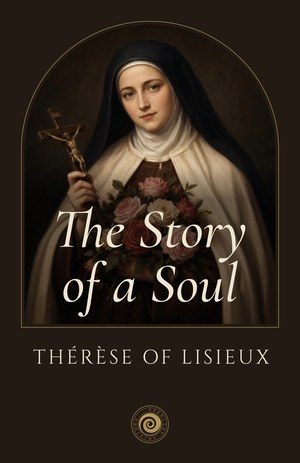 The Autobiography of St. Thérèse of Lisieux
Thérèse Martin entered the Carmel of Lisieux at fifteen and died there at twenty-four, almost unknown outside its walls. At the request of her prioress she wrote down the story of her short life: a happy, sensitive childhood in Normandy, the loss of her mother, a daring audience with the Pope, and the hidden years in the convent where she discovered her “little way” of trust and love in the smallest things.
Fiction
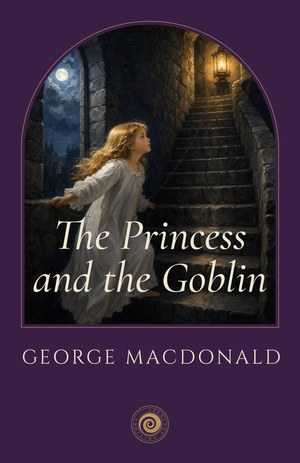
Princess Irene is eight years old and lives in a great old house on a mountainside, where the miners dig deep under the rock. Beneath their tunnels live the goblins, a bitter, clever people who hate the folk above and are hatching a plot against the king’s daughter. And at the top of a forgotten stair in Irene’s own house sits a mysterious, beautiful old lady at her spinning wheel, who says she is Irene’s great-great-grandmother.
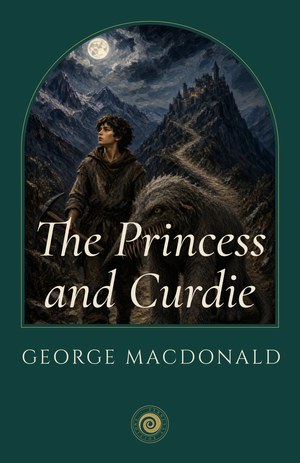
Curdie, the young miner who saved Princess Irene from the goblins, is growing up, and growing careless of the wonders he once knew. Then he shoots a white pigeon, and the deed sends him climbing the stair to the tower room where Irene’s great-great-grandmother sits at her wheel. She sets him a mission: to go down to the king’s city of Gwyntystorm and do what he finds needs doing there. And she gives him a strange gift. Through a fire of roses his hands learn to feel, in every hand he takes, what its owner is truly becoming.
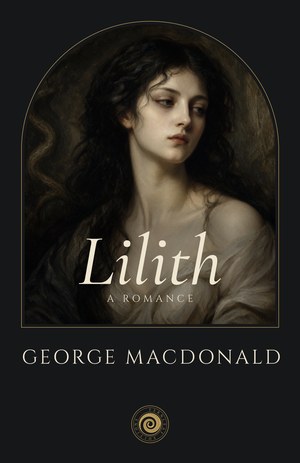 A Romance
George MacDonald's darkest and most visionary book: following a ghostly librarian through an old mirror, Mr. Vane enters a strange country of sleeping dead, lost children and Lilith, the first wife of Adam.
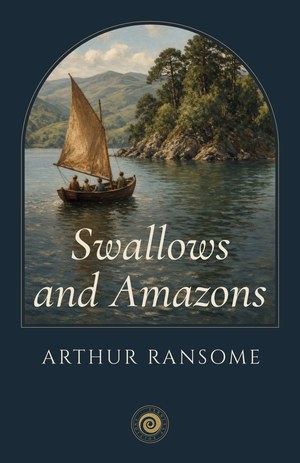
Four children, a dinghy called Swallow, an island in a lake, and two pirates in red caps: Arthur Ransome's 1930 classic of a summer holiday adventure, in large, comfortable type.
Earlier editions
Earlier editions published by the site's editor.
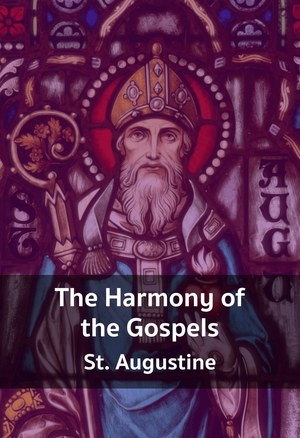
Augustine's defence of the agreement of the four Gospels: he answers the charge that the evangelists contradict one another, and works through Matthew, Mark, Luke and John side by side to show their harmony.
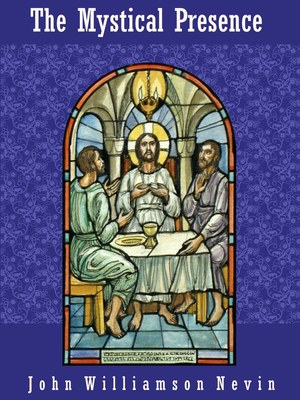 A Vindication of the Reformed or Calvinistic Doctrine of the Holy Eucharist
John Williamson Nevin's 1846 classic, a vindication of the Reformed or Calvinistic doctrine of the Holy Eucharist. This edition is a word-for-word copy of the 1846 publication, set in clean modern type.